Dreamy Baby: A Playful Sans Serif Font for Crafters
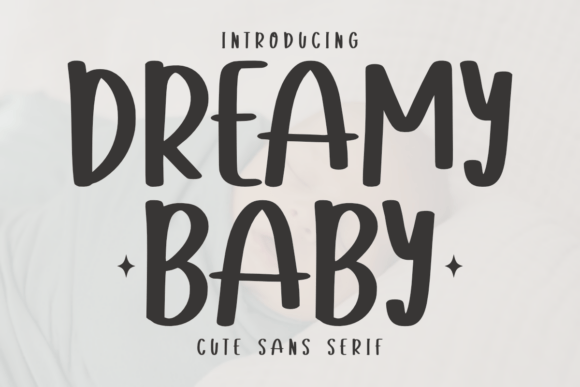
I was sitting at my workbench, surrounded by half-finished candle jars and a stack of kraft paper labels, trying to find the perfect balance between professional and cozy. My current project required a typeface that felt friendly enough for a nursery collection but sturdy enough to read clearly on a small sticker. That is when I decided to test Dreamy Baby, a Sans Serif font that promised to be both cute and playful. As I typed out the first label in my design software, the rounded edges and soft curves immediately transformed the mood of the project from generic to genuinely inviting. It became clear why this specific set of Fonts has become a favorite among makers who want their branding to feel warm without sacrificing legibility.
Dreamy Baby for Cute Stickers and Planner Accessories
One of the first things I tested with Dreamy Baby was a sheet of vinyl stickers intended for use in planners and bullet journals. Because Dreamy Baby is a Sans Serif font designed with a playful personality, it held up beautifully even when scaled down to fit inside tiny decorative circles. Many decorative Fonts lose their charm or become unreadable when reduced in size, but the clean lines of this typeface maintained its integrity perfectly. I used it for weekly headers like "Monday," "Focus," and "To-Do," and the result was a cheerful, organized look that made the planner pages feel less rigid and more personal.
When creating digital downloads for sticker sheets, readability is key for users who might print these at home or cut them with a Cricut machine. The open counters in the letters of Dreamy Baby ensure that there are no tight spaces where ink might bleed or where a cutting blade might struggle. This makes it an excellent choice for hobbyists and commercial sellers alike who need reliable results for their stationery products. Whether you are designing a full page of icons or just a few accent words, this font brings a consistent, high-quality aesthetic that elevates the perceived value of your digital shop items.
Designing Greeting Cards and Invitations with Dreamy Baby
Moving from stationery to paper goods, I explored how Dreamy Baby performs on greeting cards and event invitations. For a baby shower invitation mockup, the font’s inherent cuteness aligned perfectly with the theme, offering a gentle alternative to overly frilly script fonts. Since Dreamy Baby is a Sans Serif font, it provides a modern touch that pairs exceptionally well with hand-drawn illustrations or watercolor backgrounds. I found that using it for the main headline, such as "Baby Shower" or "You Are Invited," created a focal point that was instantly recognizable and emotionally engaging.
In the world of invitation design, the right Fonts can make or break the first impression. With Dreamy Baby, the message feels approachable and joyful, which is exactly what you want for celebrations like birthdays, bridal showers, or welcome parties. I also tested it on a simple birthday card front, pairing it with a bold geometric pattern. The contrast between the structured background and the soft, rounded letterforms created a dynamic visual rhythm that caught the eye immediately. This versatility proves that while the font is playful, it is robust enough to serve as the primary display typeface for important announcements.
Using Dreamy Baby for KDP Covers and Book Titles
For creators publishing on Amazon KDP, finding a title font that stands out in thumbnail previews is a constant challenge. I applied Dreamy Baby to a mockup for a children's activity book and a low-content journal cover, and the results were striking. Because Dreamy Baby is a Sans Serif font with distinct character shapes, it remains legible even when shrunk down to the small sizes often seen in online bookstore listings. The playful nature of the font immediately signals to potential buyers that the content inside is fun, creative, and suitable for younger audiences or lighthearted topics.
When designing covers for KDP, you often need to balance text density with visual appeal. Dreamy Baby works best here for titles and subtitles rather than long blocks of body text. Its friendly style draws attention to the book's name, encouraging clicks, while its clean structure ensures it doesn't clash with other design elements like clip art or background textures. If you are looking to create a cohesive brand across multiple books in a series, this font offers the consistency needed to build recognition among your readership, making it a smart investment for self-publishing authors and designers.
Dreamy Baby for Sublimation Mugs and Apparel Designs
The transition from paper to physical merchandise is where many fonts fail, but Dreamy Baby shined during my sublimation tests. I printed a design featuring the phrase "Dream Big" onto a white ceramic mug, and the transfer process was smooth, with no jagged edges or lost details. Since Dreamy Baby is a Sans Serif font optimized for clarity, it translates well to various surfaces, including cotton t-shirts, tote bags, and polyester tumblers. The rounded terminals of the letters prevent the common issue of sharp points burning into fabric or fading over time, ensuring the final product looks professional and durable.
For makers using Cricut or Silhouette machines for heat transfer vinyl (HTV) projects, the simplicity of Dreamy Baby is a major advantage. Complex scripts can sometimes require weeding hours of tiny inner pieces, but this font’s structure minimizes that hassle while still delivering a unique, custom look. I also tested it on a tote bag design for a local boutique, and the font added a touch of whimsy that appealed to the target demographic. Whether you are selling personalized gifts or building a line of branded apparel, having a versatile Fonts file like this one allows you to expand your product catalog with confidence and ease.
Pairing Dreamy Baby with Other Typefaces for Brand Identity
To truly maximize the potential of Dreamy Baby, I experimented with different font pairings to see how it fits into a broader brand identity. While it stands alone beautifully as a display font, combining it with a clean, neutral sans serif or a classic serif font creates a sophisticated hierarchy. For example, using Dreamy Baby for headlines and a simple geometric font for body copy on packaging labels resulted in a layout that was both charming and highly readable. This combination is particularly effective for boutique tags and product descriptions where you need to convey information quickly without losing the emotional connection.
Before integrating any new Fonts into your workflow, it is essential to check the licensing terms, especially if you plan to sell physical products, templates, or digital downloads. Ensure that the license for Dreamy Baby covers your specific business needs, whether that includes commercial use for merchandise, web design, or social media graphics. Additionally, verifying the included file formats and multilingual support can save you time when working on international projects or diverse client requests. By understanding the technical capabilities and legal scope of the font, you can focus on what matters most: creating beautiful, cohesive designs that resonate with your audience.